Introduction
The U.S.-Mexico border stretches 1,954 miles across four U.S. states and six Mexican states. Together, these 10 border states have a combined GDP exceeding $7.8 trillion—an economic output that would rank third globally, behind only the United States and China—based on data from the U.S. Bureau of Economic Analysis and Mexico’s National Institute of Statistics and Geography (INEGI).
Yet many of the most pressing challenges facing this region extend beyond the jurisdiction of any single state, agency, or country. These include preventing the spread of livestock-threatening pests, managing shared groundwater resources, facilitating more than $800 billion in annual cross-border trade through aging ports of entry, and addressing immigration through evidence-based policy discussions.
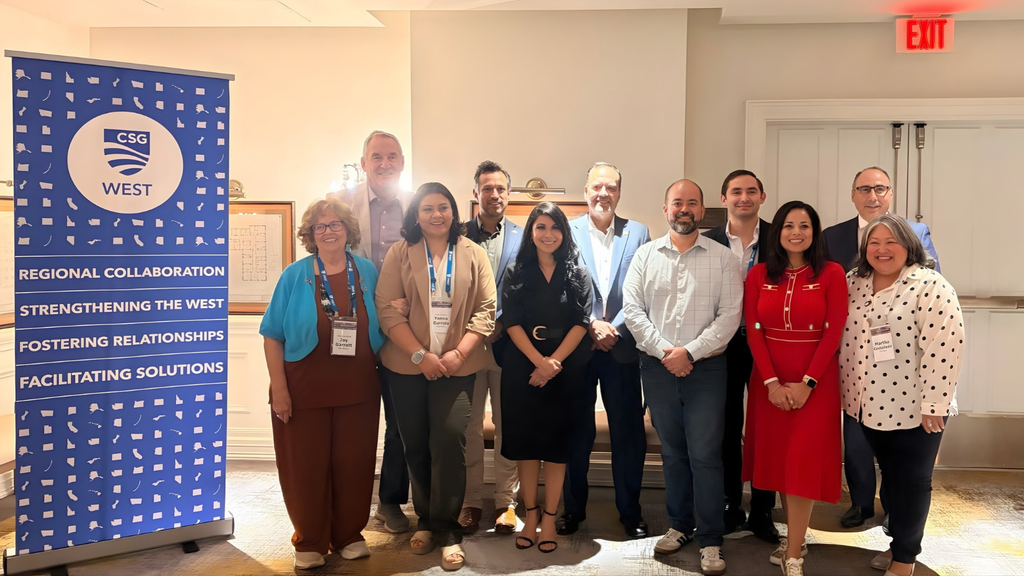
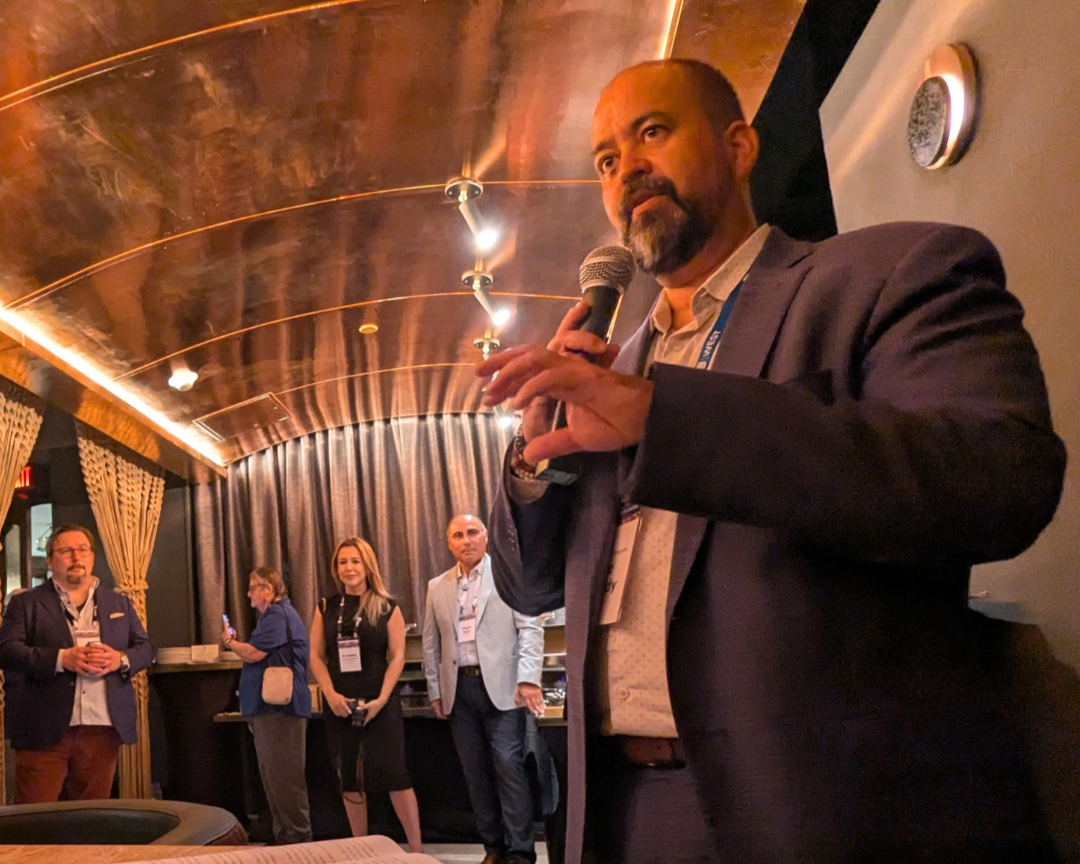
These were among the issues explored during the 2026 Border Legislative Conference, held September 17–19 in El Paso, Texas, and chaired by Texas Speaker Pro Tempore Joe Moody. The meeting began with a policy tour of the University of Texas at El Paso’s (UTEP) Aerospace Center and Keck Center, highlighting advances in 3D printing (additive manufacturing), regional manufacturing capabilities, and aerospace workforce development.
Legislators from Texas, New Mexico, Arizona, and Mexico then participated in policy discussions with experts and officials on the topics of the New World screwworm, shared groundwater resources and transboundary aquifers, border crossings and ports of entry, and crime and immigration. The conference concluded with a roundtable discussion of participating states’ legislative priorities.
California Assemblymember Diane Papan and New Mexico Senate President Pro Tempore Mimi Stewart, the respective co-chairs of the CRF, framed the multi-day discussions around a single core challenge: while federal guidelines establish operational sideboards, states and local water managers hold the direct responsibility for executing water conservation, infrastructure investments, and legal adaptations necessary to survive permanent aridification. Over the course of three days, participants evaluated the stark operational divide between Upper and Lower Basins, examined high-intensity urban water production facilities during off-site policy tours, explored physics-informed AI modeling, and reviewed innovative public and private financing structures.
Key Takeaways
1. Proven methods offer promise for New World screwworm eradication, but sterile-fly production remains a central challenge
The New World screwworm is a parasitic fly whose larvae feed on the living tissue of warm-blooded animals, causing severe injuries and potentially fatal infestations. One of the primary methods for controlling its spread is the Sterile Insect Technique (SIT), which involves releasing irradiated male flies that mate with wild females, producing eggs that do not hatch. This approach helped eradicate the pest from the United States by the early 1980s. However, panelists emphasized that current sterile-fly production capacity remains well below the levels used during previous eradication efforts.
Dr. Phillip Kaufman, professor and head of the Department of Entomology at Texas A&M University; Juan Carlos Flores Márquez, head of the Department of Cattle Raising at Chihuahua’s Secretariat of Rural Development; and Gerardo Fierro of the New Mexico Border Authority discussed the current outbreak, cross-border response efforts, and ongoing challenges.
- U.S. case status: As of September 17, 2026, the U.S. Department of Agriculture (USDA) reported 50 confirmed cases across Texas and New Mexico, all involving domestic animals. Monthly cases declined from 30 in June to two in September.
- Chihuahua’s frontline response: Flores Márquez reported 227 cumulative cases, including 52 active cases as of September 4. Since the state’s first confirmed case on July 13, more than 130 million sterile flies had been released, and 177,395 animals had been inspected between July and September.
- Sterile-fly supply gap: Panama’s production facility was generating approximately 100–115 million sterile flies per week, up from roughly 40 million, but still well below the estimated 500–700 million released weekly during earlier eradication campaigns. Mexico’s Metapa facility opened in June 2026, while a new Texas production facility was under construction, with its first phase targeted for April 2027. Full planned production of approximately 500 million flies per week is not expected until 2028–2029. Kaufman cautioned that restoring conditions to those of 2020 could take decades.
- Expanded dispersal capacity: A South Texas facility, which opened in February 2026, had dispersed more than 550 million sterile flies. Plans are underway for a second dispersal facility in Douglas, Arizona.
- Emerging technologies: Panelists discussed NovoFly, a genetically modified screwworm strain designed to produce only male flies, potentially doubling the number of sterile males available for release. The strain also incorporates a red fluorescent marker to help distinguish modified flies during surveillance.
How states are responding
Texas has implemented 72-hour animal movement restrictions, property inspections, and road checkpoints in response to outbreaks, issuing more than 640 movement permits. At the request of Governor Greg Abbott, Texas A&M University developed a free livestock inspector training course in just seven days, attracting more than 6,000 participants, with over 2,900 earning certificates.
Following the November 2024 closure of the border to cattle imports, Chihuahua invested $1.2 million in quarantine facilities and hired 21 certified veterinarians. The border reopened on February 3, 2025. The state has since introduced GPS tracking of incoming cattle shipments, developed RuralApp for reporting suspected cases, distributed more than 4,000 prevention kits, and trained detection dogs.
Ongoing challenges and legislative considerations
- Economic and cross-border impacts: The economic consequences of screwworm-related restrictions extend beyond livestock producers. Fierro highlighted the broader economic impacts of prolonged restrictions on Mexican cattle imports, including reduced activity at Texas Panhandle feedlots and meatpacking facilities and an estimated $10 million in lost annual fuel tax revenue for New Mexico. Arizona Senator T.J. Shope also raised concerns about the challenges of transporting pets across the U.S.-Mexico border. Kaufman suggested that fast-acting oral treatments administered at inspection points could offer an alternative to existing documentation requirements, which generally require a health certificate issued and signed by a USDA-accredited veterinarian shortly before travel.
- Research and treatment limitations: Panelists highlighted gaps in screwworm research, noting that research involving live screwworms has been constrained in the United States for approximately 50 years. Additional challenges include the lack of an identified screwworm-specific pheromone for trapping and the withdrawal of many pesticides used during the 1970s. With many experts from earlier eradication campaigns now retired, a team was scheduled to travel to Brazil in October for hands-on training.
- Wildlife protection: Efforts to protect wildlife remain limited. Researchers began testing ivermectin-treated feed for deer in June 2026. Panelists described ivermectin as a preventive measure rather than a treatment for established infestations, and the studies are focused on determining safe feeding levels.
2. Shared aquifers face mounting pressures amid gaps in binational groundwater management
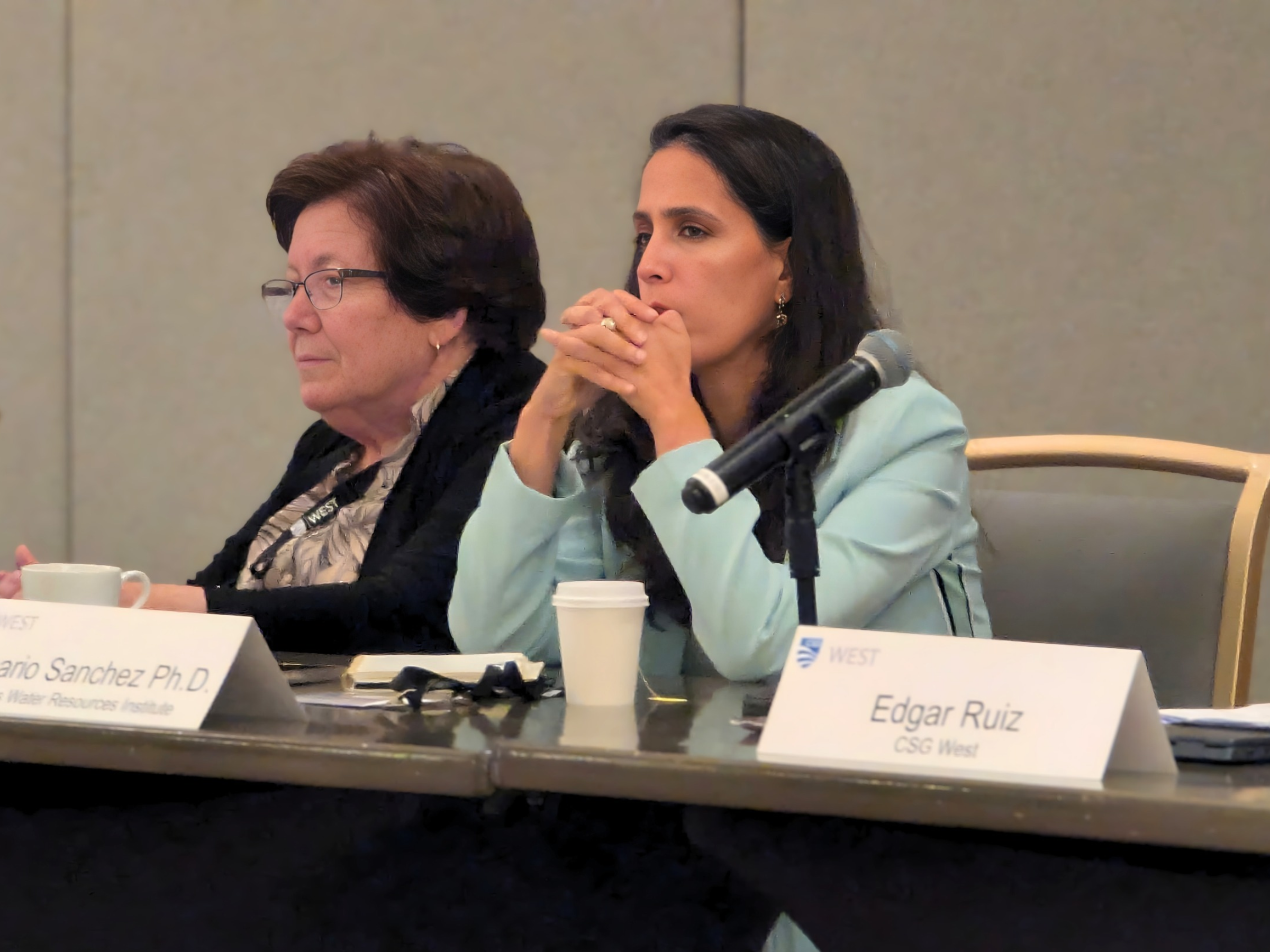
As surface water supplies decline, border communities and agricultural producers are increasingly relying on groundwater despite the absence of a comprehensive binational framework for monitoring and managing shared aquifers. Dr. Rosario Sanchez of the Texas Water Resources Institute emphasized the severity of regional water challenges, stating that surface water “is not an option anymore” for the border region. Dr. Sharon B. Megdal of the University of Arizona also referenced a January 2026 United Nations report that characterized the Colorado River Basin as an example of “water bankruptcy,” a condition in which prolonged overuse and depletion of water resources can result in irreversible damage.
- Water losses are accelerating: Across the Colorado River Basin, water losses from 2015 to 2024 occurred at nearly three times the rate recorded between 2002 and 2014, with groundwater accounting for approximately two-thirds of those losses. In the Rio Grande Basin, an estimated 52% of direct water consumption is considered unsustainable, while irrigated agriculture accounts for 87% of direct consumption.
- Limited monitoring and assessment: Researchers have identified 72 hydrogeologic units along the border, including 28 transboundary aquifers, yet the binational assessment program currently monitors only four. Sanchez described the situation as “a big ticking bomb,” warning that the lack of comprehensive regulation, monitoring, and binational coordination presents significant long-term risks. The Mesilla Aquifer near Las Cruces, New Mexico, has the highest concentration of shallow wells along the border, many extending less than 50 meters below the surface.
- Gaps in binational water agreements: The 1944 U.S.-Mexico Water Treaty does not directly address groundwater, although Minute 242, adopted in 1973 under the treaty framework, established limits on pumping near San Luis, Arizona. Groundwater nevertheless plays a significant role in sustaining surface flows. Along the Big Bend reach of the Rio Grande, groundwater discharge contributes an estimated 200–290 million cubic meters annually, compared with Mexico’s annual delivery obligation of approximately 350 million cubic meters to the United States. As of October 2025, Mexico’s water delivery deficit was approximately 900 million cubic meters, with only about 30% of its 2020–2025 allocations delivered.
- Legal asymmetry in groundwater governance complicates cooperation: Contrasting legal frameworks complicate cross-border water management. In Mexico, groundwater is generally considered a national resource, while Texas recognizes private property rights associated with groundwater. Megdal highlighted how these differences affect water storage and recovery. In Arizona, municipalities can recover water they have intentionally recharged into aquifers, while in Mexico, stored groundwater generally falls under federal ownership, potentially reducing incentives for similar investments.
Collaborative efforts and promising approaches
The Transboundary Aquifer Assessment Program, established through federal legislation in 2006 and a 2009 agreement between the U.S. and Mexican sections of the International Boundary and Water Commission (IBWC), has produced bilingual studies involving technical teams from Arizona and Sonora. California elected not to participate in the program. Following an earlier assessment of the San Pedro Aquifer, a study of the Santa Cruz Aquifer was scheduled for release on September 21, 2026.
Panelists also highlighted several models of water management strategies, including Arizona’s statutory framework for managed aquifer recharge, the Gila River Indian Community’s agreement to follow state recharge permitting requirements, and Tucson Water’s One Water 2100 plan. Megdal outlined additional approaches to balancing water supply and demand, including conservation, pricing, water reuse, aquifer recharge, desalination, water marketing, stormwater capture, and smarter community planning.
Recommendations for strengthening binational groundwater management
Sanchez outlined several recommendations, including formally recognizing transboundary aquifers through a new Minute under the 1944 Water Treaty to establish shared data collection, monitoring, and dispute-resolution protocols, and expand the IBWC’s mandate to include groundwater management. Additional recommendations included strengthening local institutions, funding joint studies that prioritize water quality and quantity, and guaranteeing representation for tribal nations and rural communities.
Drawing on her research, Megdal identified seven key elements: established mechanisms for cooperation, mutual respect and trust, stakeholder engagement, effective communication, patience and persistence, relationship-building through informal interactions such as shared meals, and strong leadership. Megdal emphasized that effective management of shared aquifers begins with a common understanding of the challenges and opportunities involved.
3. Growing U.S.-Mexico trade places increasing demands on border infrastructure
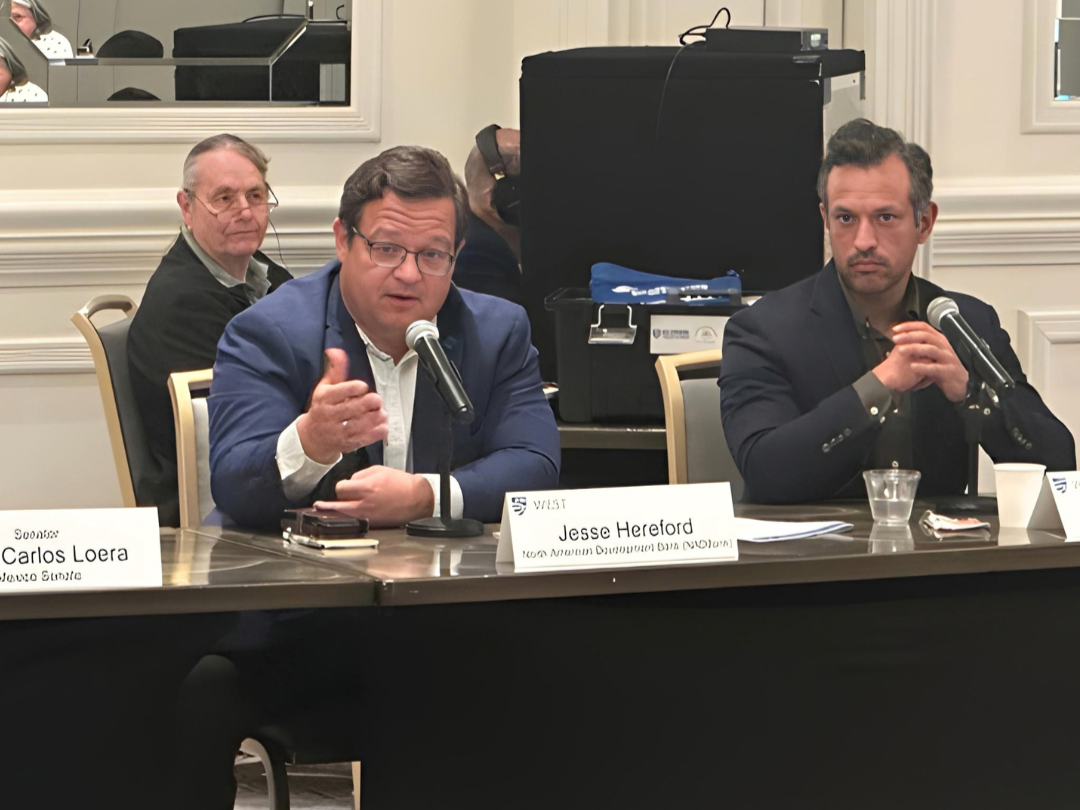
Mexican Federal Senator Carlos Loera, chair of the Northern Border Affairs Committee, reported that U.S.- Mexico trade reached $872.8 billion in 2025. Mexico was the United States’ largest trading partner that year, ahead of Canada and China. Gerardo Fierro of the New Mexico Border Authority (NMBA) and Jesse Hereford of the North American Development Bank (NADBank) noted that approximately 72.5% of bilateral trade is transported by truck and that commercial border crossings have more than doubled since the signing of the North American Free Trade Agreement (NAFTA); yet 73% of existing crossings were constructed before the agreement. With new international crossings typically requiring 15–20 years from initial planning to opening, infrastructure decisions made today will shape cross-border trade capacity well into the 2040s.
- Trade growth and fluctuations in the Paso del Norte region: Total trade through New Mexico’s Santa Teresa crossing increased from $26 billion in 2023 to $40 billion in 2024, before declining 15–20% in 2025 amid tariff-related supply chain disruptions. From January through July 2026, trade totaled $32 billion. Chihuahua, Mexico’s leading state for exports, recorded $49 million in exports to the United States between April – June 2026.
- Bridge of the Americas lane closures could significantly disrupt regional trade: The planned closure of commercial lanes at the Bridge of the Americas (Puente Libre) would eliminate approximately 34% of the region’s truck lanes, with no replacement commercial lanes currently planned. Concerns surrounding the closure include truck emissions affecting nearby neighborhoods, as well as potential financial considerations associated with maintaining a toll-free federal bridge. A UTEP Hunt Institute analysis cited by Senator Loera projects that the closures could reduce Ciudad Juárez’s export capacity by up to 30%, increase annual wait-time costs by 17.8%, and result in $36.6 billion in cumulative economic losses by 2036.
- Rerouting trucks could relocate and increase emissions: Fierro cited studies by the El Paso Metropolitan Planning Organization indicating that redirecting truck traffic to the Ysleta, Tornillo, and Santa Teresa crossings would result in longer travel distances and increased emissions across the region. Emphasizing the cross-border nature of environmental impacts, Fierro noted that “emissions cross the border,” much like water. New Mexico Representative Yanira Gurrola also raised concerns about existing congestion, noting that trucks already experience hours long wait times on the Mexican side of the border.
- Santa Teresa’s expansion remains years away, with funding and staffing key considerations: The U.S. General Services Administration (GSA) is conducting a program study to assess potential expansion and infrastructure improvements at the Santa Teresa Port of Entry, with completion expected within approximately eight months. The study will be followed by an 18–24-month environmental review, with design work anticipated to begin in 2030 and construction projected for 2031–2033, contingent on funding. Construction of a highway connector linking Santa Teresa to Interstate 10 (I-10) is scheduled to begin in early 2027. Fierro estimated the crossing expansion would cost between $200 million and $400 million depending on capacity and cautioned against building more lanes than federal officers could adequately staff.
- Nuevo León’s Colombia Bridge expansion reflects growing cross-border traffic: Diputado Rodrigo Montemayor described plans to expand the Colombia Bridge from eight to 10 lanes, including two new dedicated lanes beginning in May 2027. Daily crossings have increased from approximately 300 in 2021 to 7,000, with projections reaching 15,000.
4. State and local financing tools offer alternatives for advancing border infrastructure projects
With federal funding uncertain and lengthy project timelines, the discussion examined practical approaches to financing border infrastructure, including user fees, co-financing arrangements, and dedicated funding for project planning. Participants also emphasized the importance of building bipartisan support. Texas Representative Cassandra Garcia Hernandez noted that federal funding previously relied upon by Texas can no longer be taken for granted, underscoring the growing importance of state-level financing tools.
- Toll revenues can finance border infrastructure and support local budgets: Texas border cities have financed bridge construction through toll-backed bonds and continued collecting tolls after the bonds were repaid. Hereford noted that Laredo, which handles approximately 40% of U.S.-Mexico trade, collects roughly $80 million annually in toll revenues that support its general budget. The city of Laredo has not raised taxes in 25 years. At the Otay Mesa East crossing near San Diego, toll revenues are shared between the United States and Mexico.
- New Mexico is exploring border crossing fees and alternative financing arrangements: House Bill 66 directed the state’s transportation department to evaluate border crossing fees, with a draft study nearing completion. Citing approximately $2.4 billion in available nonrecurring state revenue, one legislator raised the possibility of financing crossing infrastructure through partnerships involving state government and other public or private entities rather than relying solely on federal funding.
- Federal requirements can complicate toll-based financing: Hereford cautioned that tolls cannot be imposed on existing federally funded ports of entry, citing concerns about double taxation. As a result, toll-based projects generally require new construction and a separate presidential permit with associated consulting costs increasing from approximately $5 million to $10 million. California also required specific enabling legislation for its newest border crossing, where tolls are collected along the connecting roadway rather than at the crossing itself.
- Planning funds remain a critical gap in border infrastructure financing: Hereford explained that NADBank can finance construction once a presidential permit is secured but cannot fund the planning phase and encouraged legislators to consider dedicated planning funds. Projects demonstrating environmental benefits can qualify for financing, including NADBank’s $63 million loan for McAllen’s commercial inspection facility supported by anticipated air-quality improvements benefiting approximately 900,000 residents. NADBank has also paired $76 million of its own funding with $70 million from the Texas Water Development Board for irrigation conservation in the Lower Rio Grande Valley and is exploring similar water financing initiatives in New Mexico, Arizona, and California.
- CBP’s donation acceptance program offers additional infrastructure and staffing options: Through U.S. Customs and Border Protection’s (CBP) donation acceptance program, states, local governments, and private entities can provide funding for infrastructure or officer overtime. El Paso already uses toll revenues to support these arrangements.
Building support beyond the border region
Border legislators asked how they could build support among colleagues representing interior regions of their states. Panelists offered three approaches:
- Connect infrastructure investments to border security: Fierro emphasized that “border infrastructure is border security as well,” noting that additional technology and staffing can support more thorough inspections.
- Use district-level data: Hereford noted that trade with Mexico supports approximately 8 million U.S. jobs and that the U.S. Chamber of Commerce has compiled related data by congressional district. Fierro also pointed to the economic impacts of cattle import restrictions following the discovery of the New World screwworm in Mexico, including effects on Texas Panhandle districts.
- Quantify potential risks: Sanchez described a risk-assessment model developed with Texas A&M University that the U.S. Department of Homeland Security used during the COVID-19 pandemic to inform decisions about border reopening.
5. El Paso research finds lower rates of criminal involvement and risk factors among immigrants
Border legislators frequently encounter perceptions of their communities that differ from their own experiences. Texas Rep. Claudia Ordaz described the border as an economic engine, “not a war zone,” and discussed efforts to bring fellow legislators across the border to experience the region firsthand. Dr. Jennifer Eno Louden of the UTEP Mental Health and Criminal Justice Lab presented research examining the relationship between immigration and crime. Louden noted that national studies have consistently found that immigrants commit crimes at lower rates than U.S.-born citizens and that neighborhoods with large immigrant populations tend to experience relatively low overall crime rates, despite demographic and socioeconomic factors often associated with higher crime rates. Her research examined whether these national patterns also hold true in the El Paso border region.
- Study 1: Jail booking records reveal differences in criminal histories and risk factors. Among 5,014 El Paso County jail bookings, immigrants accounted for 13% of bookings despite representing 23% of the community’s population. Compared with U.S.-born individuals, immigrants faced less serious current charges, had lower criminal risk assessment scores, and had fewer prior violent or felony convictions. The study also found that immigrants were more likely to have lived at their current address for less than one year.
- Study 2: Interviews reveal lower risk factors and self-reported offending among undocumented immigrants. Louden’s team interviewed 273 individuals booked into the jail, including U.S.-born citizens, documented immigrants, and undocumented immigrants. Using the “Central Eight” risk factors — criminal history, antisocial personality patterns, antisocial cognition, criminal peers, substance abuse, family problems, employment and education problems, and limited positive leisure activities —researchers found that undocumented immigrants scored lower on nearly every factor and self-reported fewer violent, property, and drug offenses. Most had limited criminal histories beyond immigration-related offenses.
- Education and employment challenges were a notable exception. Undocumented immigrants scored higher on risk factors related to education and employment, highlighting a potential area for policy consideration.
- Cultural orientation was associated with differences in criminal risk. Louden noted that a stronger orientation toward Mexican culture was associated with lower levels of criminal risk factors, while a stronger orientation toward U.S. culture was associated with higher rates of reoffending.
Policy implications and considerations:
Louden emphasized that policymakers should avoid assuming immigrants, particularly undocumented immigrants, constitute a high-risk group based solely on immigration status. She also raised concerns about the potential criminalizing effects of arrests and incarceration and highlighted opportunities for communities to build on the protective effects associated with maintaining ties to one’s culture of origin. The subsequent discussion addressed differences between public perceptions and research findings, political rhetoric surrounding border safety, and challenges associated with securing funding for further research.

Looking Ahead
Developments to watch
- New World screwworm response capacity: Key developments include the first phase of the Texas sterile-fly production facility targeted for April 2027; expanded production at Mexico’s Metapa facility; the planned dispersal site in Douglas, Arizona; advances in NovoFly technology; and ongoing trials involving ivermectin-treated deer feed. Together, these efforts could influence the pace of outbreak containment. New U.S. detections are reported through Screwworm.gov.
- Rio Grande water deliveries and the 1944 Treaty: Sanchez raised questions about how ongoing water delivery deficits and the treaty’s provisions for “extraordinary drought” should be addressed amid prolonged water shortages. She also noted a decline in publicly available reporting on recent water deliveries from Mexico and anticipated that the groundwater hotspot map would need updating within five years, potentially identifying additional areas of concern.
- Border crossing infrastructure and trade agreements: Developments to monitor include the proposed commercial lane closures at the Bridge of the Americas and potential truck traffic diversions, Santa Teresa’s expansion studies, New Mexico’s border crossing fee study, and the planned May 2027 expansion of Nuevo León’s Colombia Bridge. Mexican Senator Carlos Loera also highlighted the review of the United States-Mexico-Canada Agreement (USMCA), noting that the United States had not supported an immediate 16-year extension, which will potentially result in annual reviews through 2036.
- Binational legislative coordination: Senator Loera proposed four areas for potential cooperation: a permanent legislative coordination mechanism for border infrastructure; synchronized budget cycles for priority crossings; a joint framework to track wait times and their economic costs; and exploration of binational co-financing for bridges and ports of entry.
Open Questions by Participating Legislators
- Who will fund the planning phases of border infrastructure projects, and how will staffing be financed once new crossing lanes are operational?
- How can groundwater management become a greater priority on the binational agenda and potentially be addressed through a new Minute under the 1944 Treaty given the differing legal frameworks governing groundwater ownership in Mexico and Texas?
- How can legislators keep evidence-based research central to policy discussions during an election season?
Resources and next steps
- Information and research resources:
- New World screwworm: Screwworm.gov, Texas A&M AgriLife, and Mexico’s National Service for Agrifood Health, Safety and Quality (SENASICA).
- Groundwater: University of Arizona Water Resources Research Center’s Borders and Water: Institutions, Investments, and Information and Sanchez’s binationalwaters.org.
- Immigration and crime: UTEP’s Mental Health and Criminal Justice Lab.
- Financing and technical assistance: NADBank offers technical assistance and co-financing opportunities for eligible projects. Hereford encouraged legislators to consider the bank as an additional resource for addressing border infrastructure and related financing needs.
- State priorities highlighted during Saturday’s roundtable: Texas legislators identified growing electricity demand from data centers, micro-nuclear power, and trade bridge efficiency as priorities. New Mexico legislators highlighted oil and gas revenue surpluses, long-term infrastructure investments to support a continental logistics hub, education funding, and seasonal agricultural visas. An Arizona senator raised groundwater management, cattle imports through Douglas, farmworker transportation in Yuma and San Luis, and cross-border medical tourism.
- CSG West programming: CSG West Director Edgar Ruiz previewed the 2027 Annual Meeting in Anchorage, Alaska, the upcoming Western Legislative Academy, a proposed Western Water Academy, and future binational policy exchanges.
Final Reflection
Flies, aquifers, bridges, and jail records may seem unrelated, but a common theme emerged throughout the conference: border challenges—and their solutions—do not stop at the border. Sterile flies released in Panama help protect Texas cattle. Groundwater pumping on one side of the border can affect aquifers shared with the other. Trucks rerouted from one crossing can increase emissions in neighborhoods miles away. Research on El Paso’s jail population can inform policy discussions in state capitols far from the Rio Grande. Megdal emphasized that the same principle extends to building trust across borders, identifying mutual respect, patience, and even sharing meals with partners as practical elements of cooperation.
These connections are particularly significant for border states facing shared challenges, including drought, economic growth, aging infrastructure, and evolving workforce needs. The policy tour of UTEP’s Aerospace and Keck Centers offered a promising example of a border university’s efforts to prepare engineers and technicians for emerging industries and regional infrastructure needs. The conference provided legislators from both countries with an opportunity to exchange policy approaches, discuss shared priorities, and strengthen relationships with their cross-border counterparts to support future collaboration. As Fierro emphasized in his closing, discussions about the U.S.-Mexico relationship are inseparable from the border and the infrastructure connecting the two countries.